
Compact piling solutions for constrained and specialist foundation works
Mini piling uses compact specialist equipment to provide foundation support where conventional piling rigs may be impractical or unnecessary. The approach is particularly useful on smaller sites, within existing developments and in locations where access, working space or surrounding structures influence the available construction methodology.
Mini piling can be adapted around different structural loads, ground conditions and site constraints, with the specific pile system selected to suit the requirements of the project. Its compact plant requirements make it especially relevant to residential works, extensions, refurbishment schemes and foundation works close to existing structures.
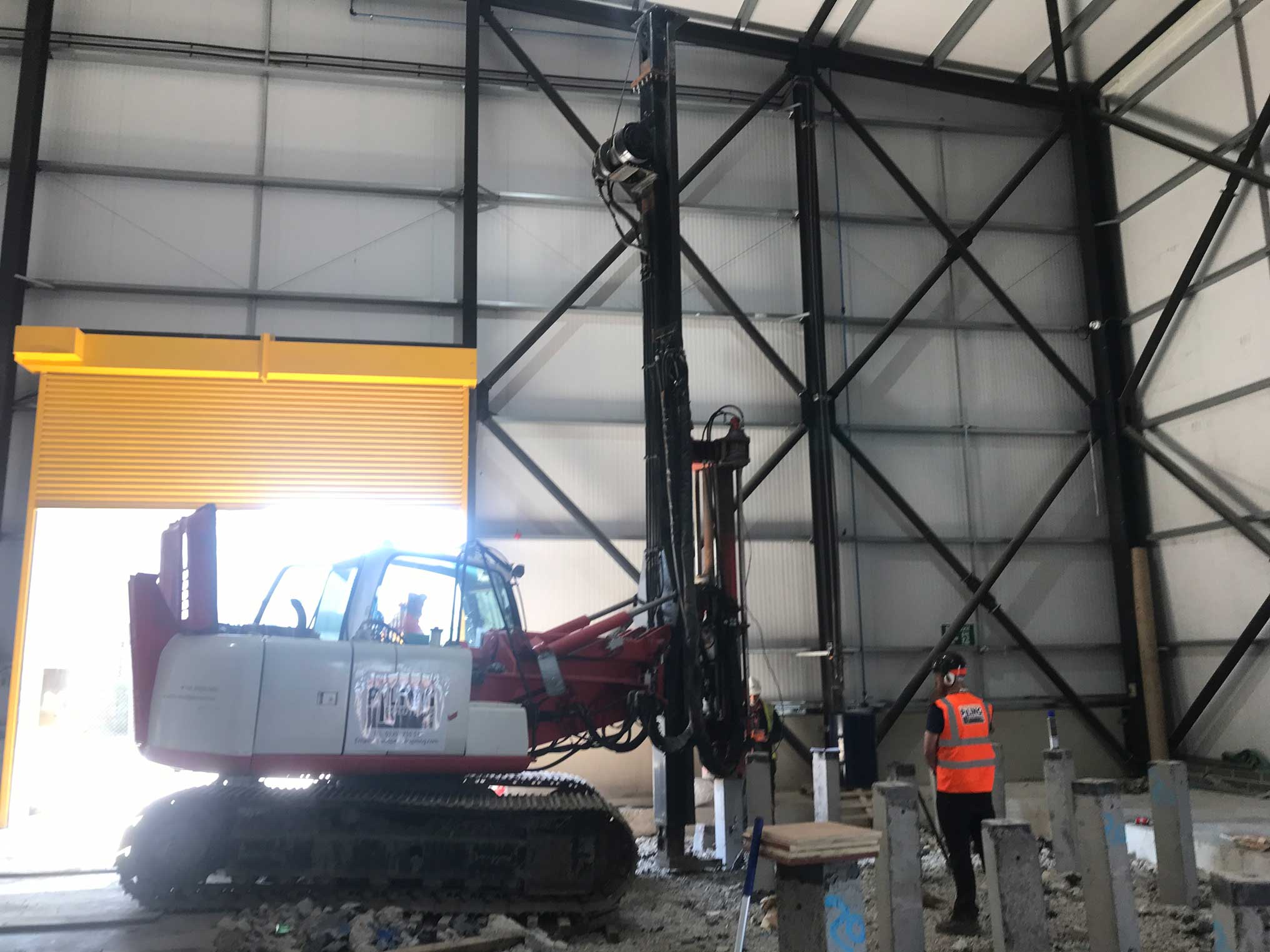
Compact plant
Smaller specialist equipment for constrained sites
Flexible Installation
Method selected around ground and structural requirements
Existing Structures
Method selected around ground and structural requirements Suitable for works within developed sites
Versatile Application
Residential and commercial foundation solutions
How Mini Piling Works
Mini piling covers a range of smaller-scale piling systems installed using compact specialist equipment. The exact installation technique is selected according to ground conditions, structural loading, access and the required pile arrangement.
Because the equipment has a smaller operating footprint than conventional piling plant, mini piling can be particularly useful where working space is restricted or where foundations need to be installed close to existing structures. Pile design and installation are still developed around the same fundamental structural and geotechnical requirements as larger piling systems.
- Compact specialist piling equipment
- Suitable for constrained sites
- Flexible foundation applications
- Useful close to existing structures
- Residential and commercial capability
Best Suited For
House Extensions
Compact foundations for residential additions
Existing Buildings
Piling close to or within developed structures
Restricted Sites
Reduced working space for plant
Refurbishment Works
Foundation support within existing developments
Smaller Structures
Efficient specialist foundation solutions
Foundation Strengthening
Support where existing foundations require intervention
Need practical advice before you enquire?
Speak to the team for quick guidance on your piling or foundation challenge.
The Process
A clear route from initial enquiry through to quotation and project delivery
Share site details
Tell us about your site constraints & project objectives
Review service options
We compare suitable methods to outline pros & cons, as well as other considerations
Receive expert advice
Get our expert guidance on buildability, programme fit and access.
Move to quotation
We confirm next steps to support smooth delivery throughout the project’s duration
Related Projects
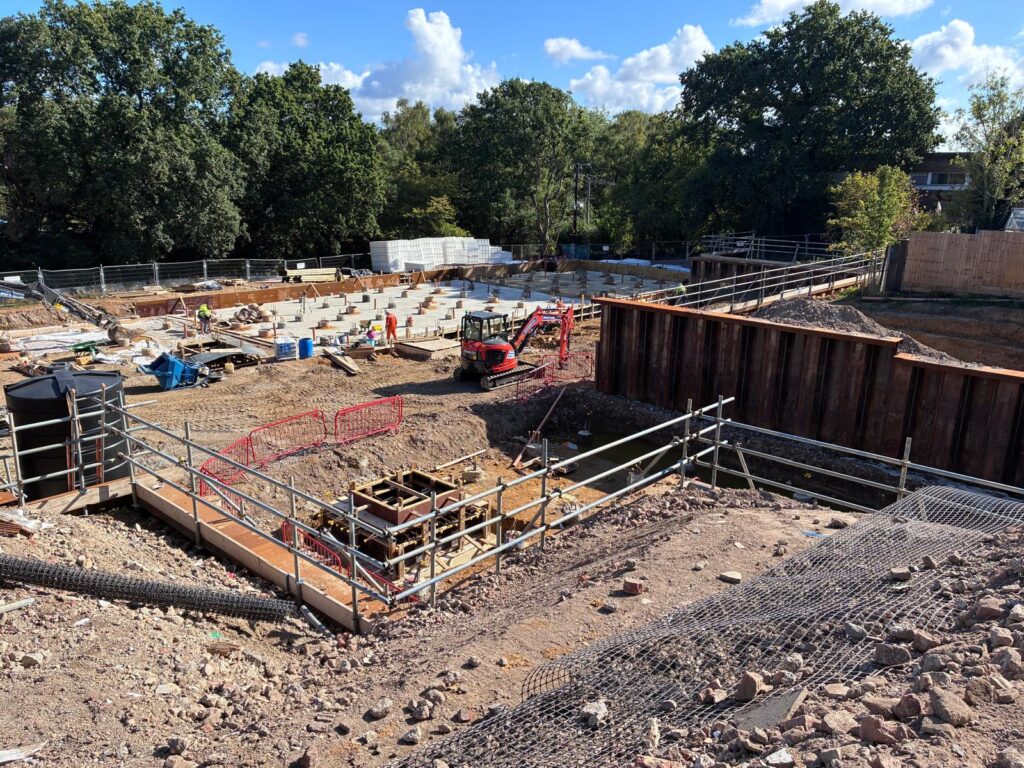
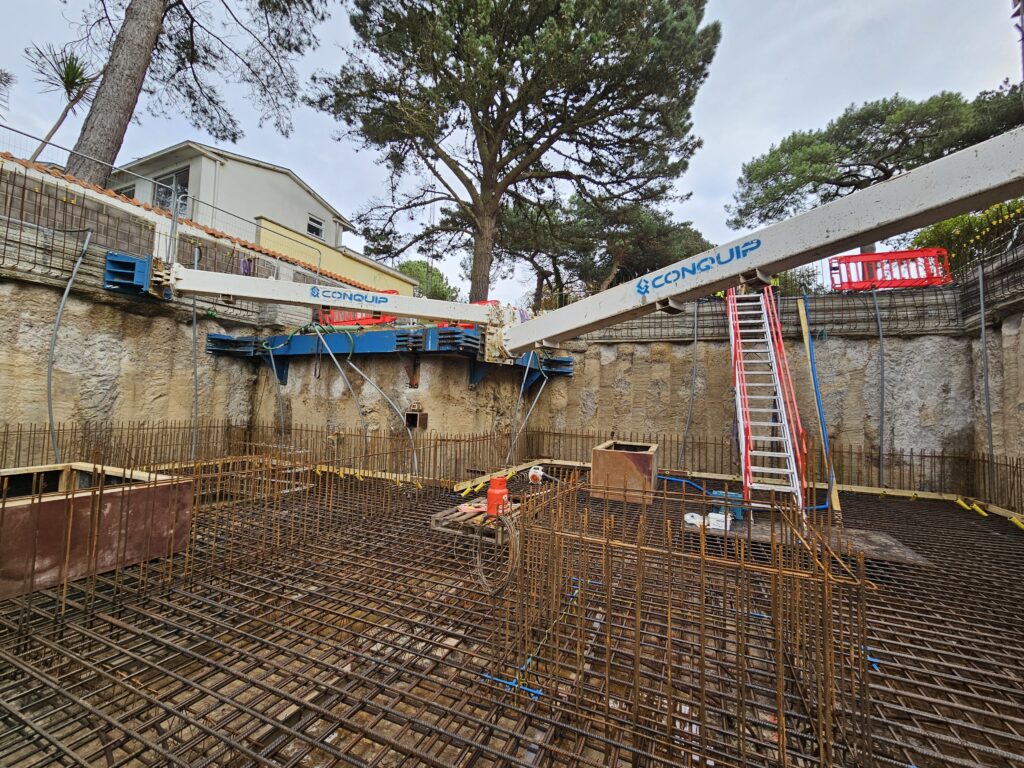

See more of our work
Explore all of our completed projects across various sectors
Frequently Asked Questions
What is mini piling?
Mini piling refers to piling systems installed using smaller specialist equipment, allowing foundation works to be undertaken where conventional piling plant may be unsuitable.
Is mini piling only used on residential projects?
No. While it is particularly useful for extensions and residential works, compact piling equipment can also support commercial, refurbishment and specialist construction projects.
What is the difference between mini piling and restricted-access piling?
Mini piling relates primarily to the smaller piling systems and equipment used, while restricted-access piling describes the wider capability to deliver piling where access, headroom or working space is constrained.
Drawings, structural loads, ground information, site photographs and details of available access can help SPS assess suitable piling options.
Access width, available headroom, working platform size, proximity to existing structures and the route available for plant and materials are all important. Photographs and basic site dimensions can help SPS assess suitable equipment and piling options.